Public frustration spiked in April 2026 when the Guurti approved a 27-month,,,,
The clearest test of a democracy is holding elections on time. Elections let citizens choose leaders, demand accountability, and ensure the peaceful transfer of power.
Somaliland has earned recognition for its stability in a volatile region. Yet one problem persists: repeated election postponements and term extensions.
Since 1991, only Somaliland’s first president, Abdirahman Ahmed Ali Tuur, left office without an extension. Every administration since has delayed presidential, parliamentary, or municipal votes, stretching mandates beyond constitutional limits.
Why can’t leaders organize elections on schedule?
Supporters cite drought, security threats, voter registration issues, or funding gaps. While these can justify brief delays, their recurrence over 30 years points to deeper problems.
Critics say incumbents have grown comfortable with extensions. Once in office, leaders benefit by staying in power without facing voters. The incentive favors delay over discipline.
The issue is system-wide. Parliamentary and municipal elections have both faced major delays. Most striking is the House of Elders, or Guurti. Created as a stabilizing body, its members have served for decades without electoral renewal.
Public frustration spiked in April 2026 when the Guurti approved a 27-month extension for local councils and the House of Representatives, pushing their terms from July 2026 to October 2028. The reasons given were security, logistics, and drought. But the National Electoral Commission had reportedly said a shorter delay would suffice. To many, the extension looked politically motivated.
The length matters. Letting officials govern for 27 months beyond their mandate weakens public confidence. It signals that election dates shift when convenient for elites.
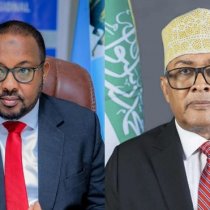
Hargeisa’s mayor, Abdikarim Ahmed Mooge, publicly opposed the extension. He argued officials should honor their voter mandate. He recently left office, keeping his promise not to remain beyond his five-year term without an election — a departure many link to his stance.
The cycle has three costs: eroded public trust, normalized term extensions, and blocked opportunities for new leaders.
Somaliland’s democratic record still outpaces many neighbors. It has held competitive elections and transferred power peacefully. Those gains matter.
But to protect that reputation, Somaliland must end the culture of postponement. Electoral calendars should be binding national commitments. Election bodies need funding well in advance. Leaders must leave office when mandates expire.
The true test of democracy isn’t winning elections — it’s respecting the timetable for holding them. Somaliland’s next milestone is simple: every election held on time, as the constitution requires.
By Eng. Nasir Haibe
 hadhwanaagnews