



WHO: Blockade of Humanitarian Aid to Tigray Puts Millions at Risk of Deadly Diseases
 0
0
- Visits: 770
-

- Share
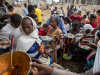


World health officials say conflict and an ongoing
blockade of humanitarian aid to northern Ethiopia’s embattled Tigray region are
putting the lives and health of millions of people at risk
The World Health Organization says 13.1 million
people in parts of Ethiopia need health care and humanitarian assistance. More
than 5.2 million are in Tigray.
Since conflict between the Ethiopian government and
Tigray People’s Liberation Front began nearly two years ago, Tigray has been in
a de facto blockade. A recent five-month truce was shattered two months ago,
cutting off road and air access, as well as humanitarian aid.
Ilham Abdelhai Nour is Ethiopia team lead for the
WHO’s Incident Management System and Emergencies Operations. She says 89% of
Tigray’s population is food insecure and 29% of children under five are acutely
malnourished.
"Malnourished children are usually very sick. They
need urgent treatment. Some of them will need hospitalization and
around-the-clock care. When they get sick, they tend to get a severe disease.
They tend to die as well.”
She adds that 55% of pregnant and breastfeeding
women also are acutely malnourished and risk getting sick and dying as well.
Director of the Health Emergencies interventions
Altaf Musani notes only nine percent of health facilities in Tigray are fully
functional. He says routine immunization has fallen below 10% this year,
putting children at high risk of vaccine-preventable diseases.
He says that is particularly dangerous now when drought-affected
areas of Ethiopia are reporting outbreaks of cholera and more than 6,000 cases
of measles nationally have been confirmed.
"In Tigray and in parts surrounding it—and we have
learned this from COVID—diseases do not know borders,” said Musani. "They do
not respect those borders. So, whether it is measles, malaria, or suspect cases
of anthrax, these things will move. And hence our ability as a system at large
to detect and contain them is vital. In the case of northern Ethiopia, those
systems are either stretched or non-existent.”
Musani says the WHO knows what diseases exist and
what must be done to treat and prevent people from getting ill. However, he
says, the WHO has limited access to Tigray.
He says the WHO is not able to get life-saving
vaccines, fuel, and essential medicine into the area. He says those and other
supplies that could make the difference between life and death cannot be
brought into the area. And that, he says, is deeply worrying.
VOA
AFEEF:
Hadhwanaagnews marnaba masuul kama aha Aragtida dadka kale. Qoraaga ayaa xumaanteeda, xushmadeeda iyo xilkeeda sida. waxa kaliya oo Hadhwanaagmedia dhiirigalinaysaa, isdhaafsiga aragtida, canaanta gacaliyo talo wadaagga!
