 hadhwanaagnews
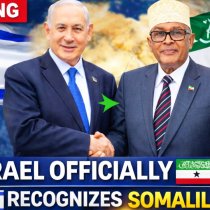
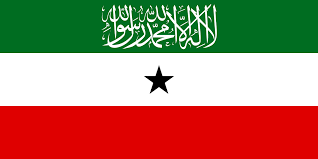
For more than three decades, Somaliland knocked on every diplomatic door in search of international recognition. From its declaration of independence in May 18, 1991 until December 26, 2025, its quest for statehood was met largely with indifference, resistance, or outright hostility. That long wait ended when Israel, unexpectedly, recognized Somaliland on December 26, 2025.
For most Somalilanders, the moment was historic and joyous. For others, myself included, celebration quickly gave way to reflection. The real question is not whether recognition is welcome—it is—but whether recognition by Israel will ultimately prove to be a blessing or a curse. Only time will tell, and the outcome will depend on how skilfully Somaliland navigates the dangerous geopolitical terrain ahead.
The relationship between Somaliland and Israel is not rooted in ideology or affection; it is grounded in necessity. Both have experienced isolation. For more than 30 years, Arab states, through the Arab League, overwhelmingly sided with Somalia. With the notable exception of the United Arab Emirates, they refused to engage seriously with Somaliland’s case for independence. Diplomatic access was denied, economic support withheld, and Somaliland’s key export sector was repeatedly disrupted when Middle Eastern states banned livestock imports at Somalia’s request.
Somalia, meanwhile, pursued a systematic campaign to weaken Somaliland. Diplomatically and economically, Mogadishu worked to isolate Hargeisa. Militarily, it backed armed groups aimed at destabilizing Somaliland from within. In eastern Sool, militants and Somali forces, using Turkish and Chinese weapons pushed Somaliland troops out of contested areas, leaving hundreds of civilians dead and thousands wounded. When that failed to fracture Somaliland, Mogadishu escalated further. Another armed group was mobilized in the Awdal region near Djibouti, resulting in the deaths of 19 civilians and injuries to more than 250 others. Still, Somaliland held together.
Then using economic warfare, Somalia pressured international airlines to deny boarding to passengers traveling to Somaliland unless they carried Somalia’s e-visa. Thousands of Somalilanders including diaspora members, officials, and businesspeople were stranded abroad, unable to return home. To tighten the noose further, Somalia reached understandings with Turkey, China, and Egypt to restrict access to Somaliland’s ports unless ships sought authorization from Mogadishu.
By late 2025, Somaliland was cornered. Israel’s recognition arrived at a moment of genuine desperation. But symbolism alone does not guarantee security. Recognition now forces Somaliland to manage multiple risks simultaneously. First, it must urgently reduce tensions with Egypt, Turkey, and China by reassuring them that its new diplomatic status does not threaten their regional interests. Recognition should be leveraged for dialogue, not confrontation.
Second, Somaliland must resist the temptation to militarize disputed regions in eastern Sanaag and Sool. The real paradox is: rushing troops to secure borders, risks inflaming local grievances and igniting avoidable conflict. Stability will not come from force, but from economic integration, political inclusion, and reconciliation.
If Hargeisa repeats Mogadishu’s past mistakes of celebrating political achievements while dismissing dissenting communities, it will invite internal backlash. No amount of weapons or foreign backing can substitute for legitimacy at home. Borders are ultimately secured through consent, not coercion.
There are, however, two red lines Somaliland must never cross. The first is allowing itself to become a dumping ground for displaced Palestinians. Somalilanders are deeply sympathetic to the Palestinian struggle, and Israel’s recognition must not come at the expense of Palestinian rights. Any attempt to relocate Palestinians to Somaliland would provoke mass unrest and could topple the government overnight.
The second—and even more dangerous mistake would be permitting Israel or the United States to launch military operations against the Houthis from Somaliland territory. Such a move would make Somaliland an immediate target. Its ports, airports, and critical infrastructure would be reduced to rubble, and public opposition would be swift and uncompromising.
Israel’s recognition gives Somaliland an opportunity but not a guarantee. It can open doors, or it can paint a target on the country’s back.
Another question also deserves attention: What does Somaliland’s recognition mean for Somalia? For decades, opponents of Somaliland’s independence have argued that recognition would undermine Somalia’s stability. This argument does not withstand scrutiny. Somalia has endured chaos for more than 30 years without Somaliland’s involvement. Moreover, the notion that securing one’s own house inevitably leads to the destruction of a neighbour’s defies both logic and common sense.
On the contrary, Somaliland’s recognition could pave the way for Somalia’s stability. For the first time, Somalia’s warring factions would have an honest broker—one they trust, one willing to mediate, and one that understands the root causes of Somalia’s dysfunction precisely because it once endured them. That broker is Somaliland.
Whether this recognition becomes a curse or a blessing will depend on restraint, diplomacy, and unity. Somaliland survived for over 30 years without recognition by relying on internal cohesion and pragmatism. Now, more than ever, it must apply those same principles. One miscalculation could undo decades of hard-won stability.
Faisal Deria
Hadhwanaagnews marnaba masuul kama aha Aragtida dadka kale. Qoraaga ayaa xumaanteeda, xushmadeeda iyo xilkeeda sida. waxa kaliya oo Hadhwanaagmedia dhiirigalinaysaa, isdhaafsiga aragtida, canaanta gacaliyo talo wadaagga!